

When I lost my virginity in high school, my dad wrote me an email.
I don’t remember every word; it’s been scrubbed, but I remember the tone. Grief. Disappointment. A belief that I had forfeited something sacred. There was talk of God. Of waiting. Of a husband I had not yet met.
I read it on the couch of my childhood playroom, an oddly theatrical setting for my transformation from adolescent innocence into something far more complicated.
The truth is, I lost my virginity in an extremely sweet way. To my high school boyfriend. The boy I believed I would follow to college and marry. I thought I had found the loophole: if I was going to marry him anyway, what was the harm?
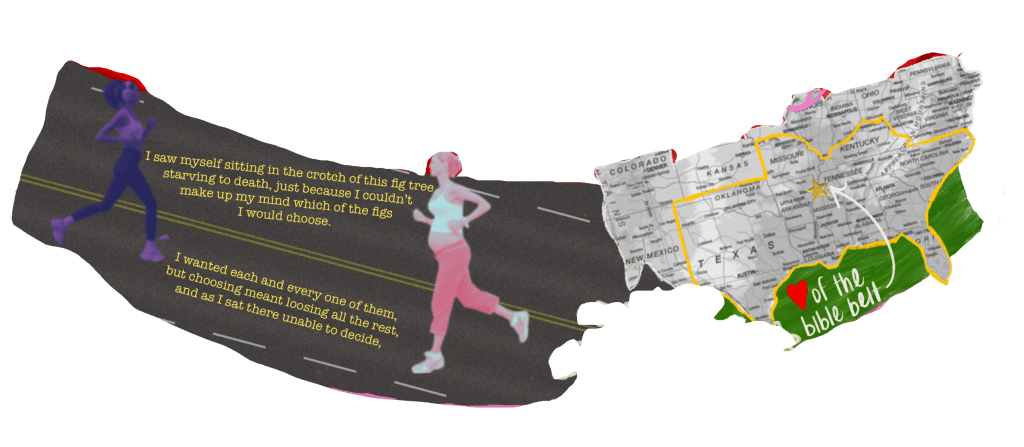
But I was raised in the Bible Belt, where sex was never framed as something to enjoy. It was a moral crossroad. A test. A risk. A fall from grace.
The message in sex ed was clear: sex was tied to being a good wife. It was about good vs. evil, heaven vs. hell, how not to contract diseases, and above all, not getting pregnant and dying.
Pleasure was never part of the curriculum.
Looking back, I realize my father wasnt inventing those fears, he was inheriting them. He was a product of the same environment. He was reacting the only way he knew how: by mourning the loss of the “little girl” he was raising.
In Dante’s Inferno, the poet travels through nine circles of hell, each one representing a different form of sin. I often think about my sexual awakening the same way, not because sex is sinful, but because of how it was framed for me.
My own inferno has levels.
The First Circle: Innocence Framed as Virtue
In Dante, the first circle is Limbo, the place of the unbaptized. Not punished, but not free.
This was my adolescence.
Virginity equated with moral superiority. Purity as identity. The idea that restraint made you worthy.
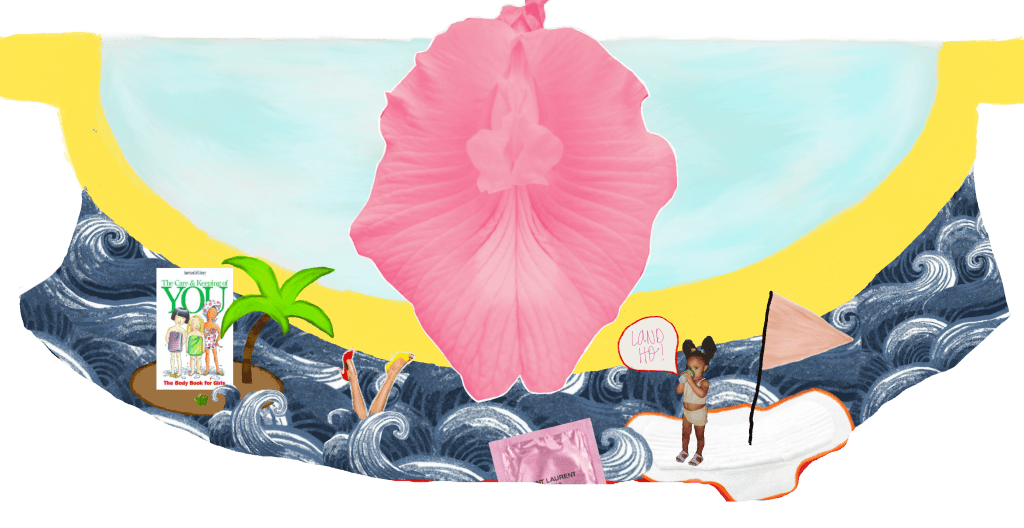
In my artwork, I depict a little version of myself on a period pad that serves as a boat, sailing through rough waters. I spy an island of solace in the form of The Care and Keeping of You, my first remembered resource for understanding puberty and sex.
Even then, knowledge felt like contraband.
The Second Circle: Fear
Then came fear: pregnancy, disease, social exile, family disappointment.
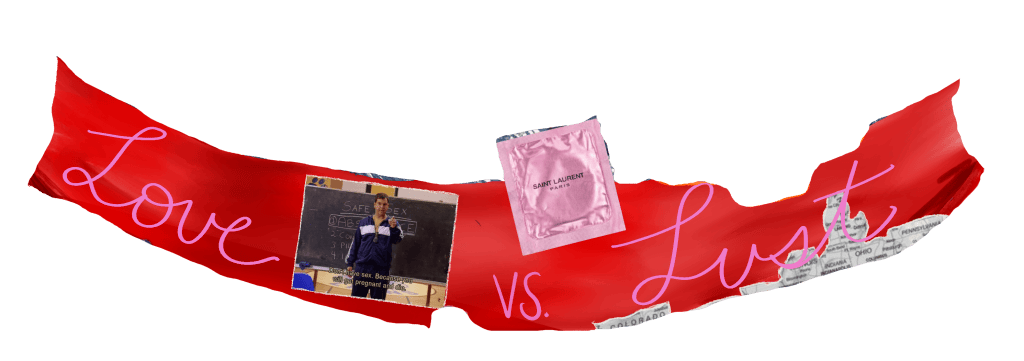
Sex education in the South is rarely about anatomy; it is about consequence. It is Mean Girls logic: “If you have sex, you will get pregnant and die.” It is the morality of heaven vs. hell folded into health class.
Desire existed, but it was wrapped in dread.
The Third Circle: Guilt
Post losing my virginity, the guilt lingered around like a dark cloud above me.
Not because the experience was wrong, it was anything but that. It was love. It was tender. It was mutual. It was spontaneity wrapped in desire.
But I was robbed of sitting in its bliss for long. I had internalized the belief that what I had done was dirty. That even if there were no earthly consequences, there would be moral ones waiting for me on judegment day.
A feeling I have worked hard to untangle to this day.
The Fourth Circle: Disillusionment
Life, as it does, did not pan out in either my or my father’s favor. The high school boyfriend did not become my husband, scrapping any attempt at retroactively baptizing my first time through a sacred narrative.
If sex is only justified inside marriage, and marriage did not materialize, what does that make you?
This is where many women stay suspended in the limbo between desire and doctrine.
Purgatory: Curiosity
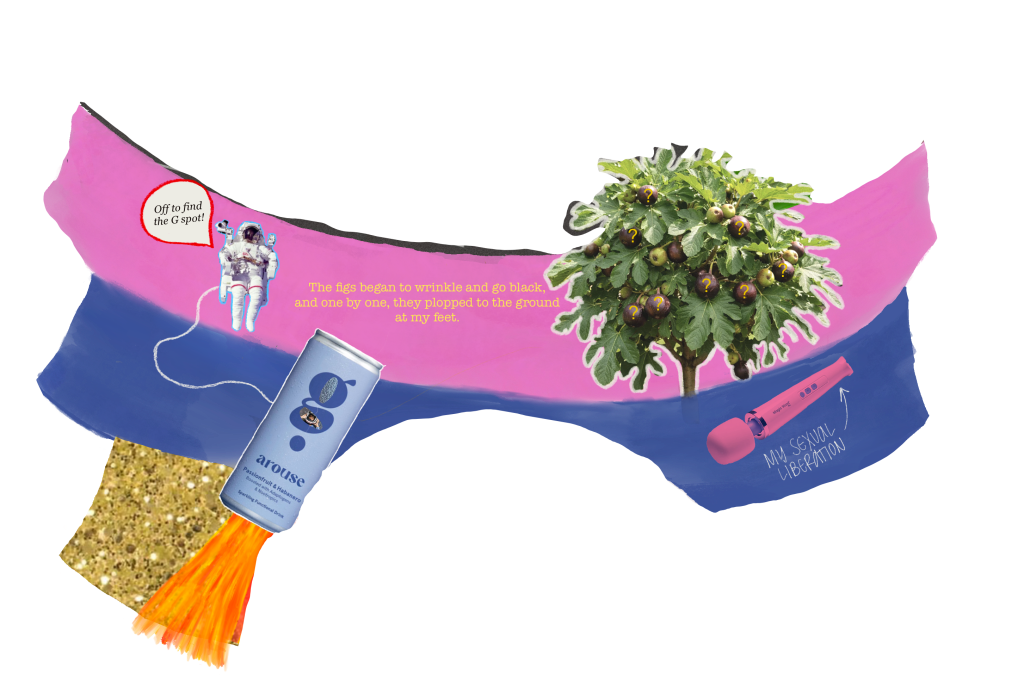
Recently, I had the pleasure of hearing Gillian Anderson speak about women, pleasure, and her drink G spot. Anderson also wrote a book, ‘Want‘, a collection of 175 anonymous letters curated from over a thousand submissions asking women about their greatest sexual fantasies.
In my manifestation journal, I have written about my own greatest sexual fantasy, which feels extremely vanilla in comparison with the entries Want.
Which made me wonder: what would my fantasy be if I had been raised to see sex as joyful instead of dangerous?
How many of our desires are shaped not by who we truly are, but by who we were told to be?
A friend recently told me she had never had an orgasm, not alone, or with a partner. My first reaction was shock, then empathy, then understanding.
There are levels to this liberation. Some of us were given maps. Others were given warnings.
Paradise: Agency
If Dante’s journey ends in Paradise, mine ends in the agency.
Sex is not a test. It is not a moral referendum, and it is certainly not proof of goodness or corruption.
It is a language. A practice. A relationship between youself and your body.
Liberation, for me, has meant exploring my body and understanding it, using it as the tool it was created to be: a source of connection and bliss.
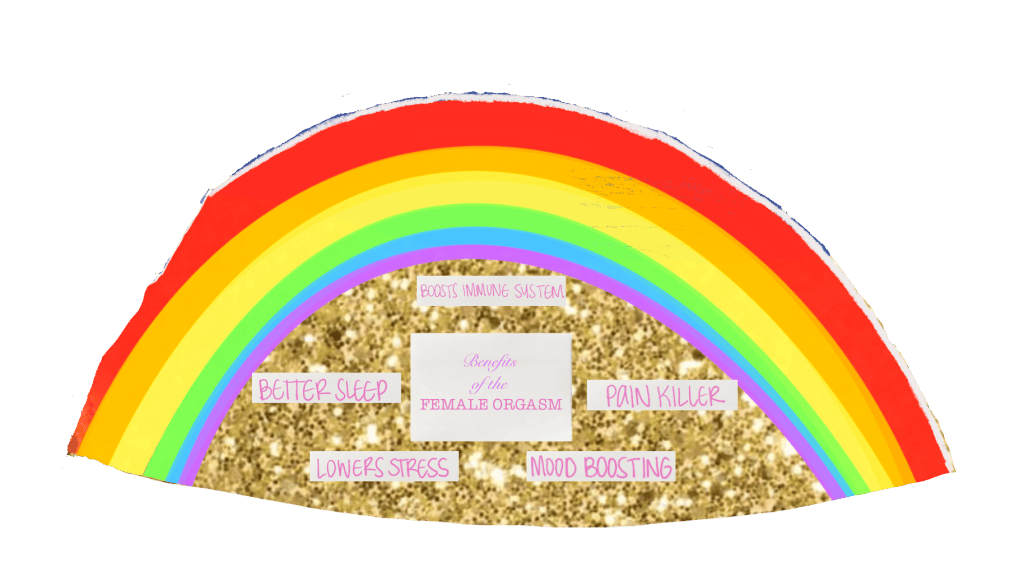
The female orgasm is not scandalous. It is a biological release of stress, a boost of mood, a recalibration of the nervous system. It is a loving practice you can gift yourself that costs nothing.
I have not abandoned my upbringing entirely. I have interrogated it. I have seperated inherited fear from embodied truth.
The circles of hell were never about sin.
They were about distance from love.
The closer I move toward understanding my own desire, without shame and without archaic fear, the more I feel like I am emerging from the inferno.
Not because I have completely conquered it.
But because I have stopped believing that my desire belongs there.
The post sexual liberation? appeared first on Everything in Moderation.